
DOJ moved the date for PDF compliance.
It did not remove the obligation.
Hand-coded, ADA-compliant websites for Ohio counties, townships, villages and special districts. WCAG 2.1 AA and Section 508 by default, not as an add-on. The work takes longer than the calendar suggests.
Central Ohio Web Designers
Remote work has been the whole model since 1995, so where you are has never been the deciding factor. These are the places we get asked about most.
Affordable small business web design.
Contractors, realtors, breeders, cabin owners, shops and an officially licensed Buckeye merchandise store make up most of the 350+ sites we run. Same hand-coded build, same accessibility standard, same 24-hour updates the counties get.
Portfolio: Custom Websites by Web Chick
Web Chick builds and maintains hand-coded, ADA-compliant websites for Ohio county offices, townships, villages, courts and small businesses, with every site meeting WCAG 2.1 AA and Section 508.


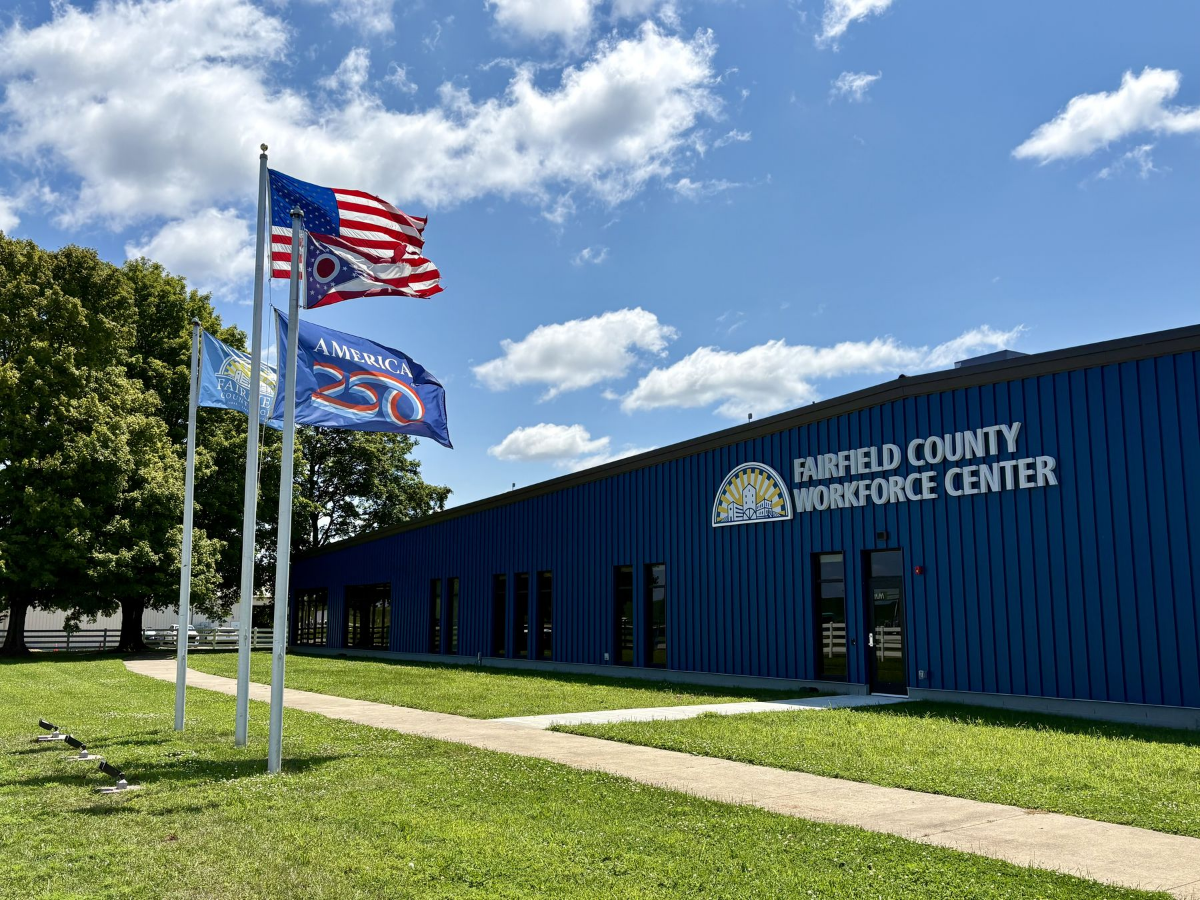









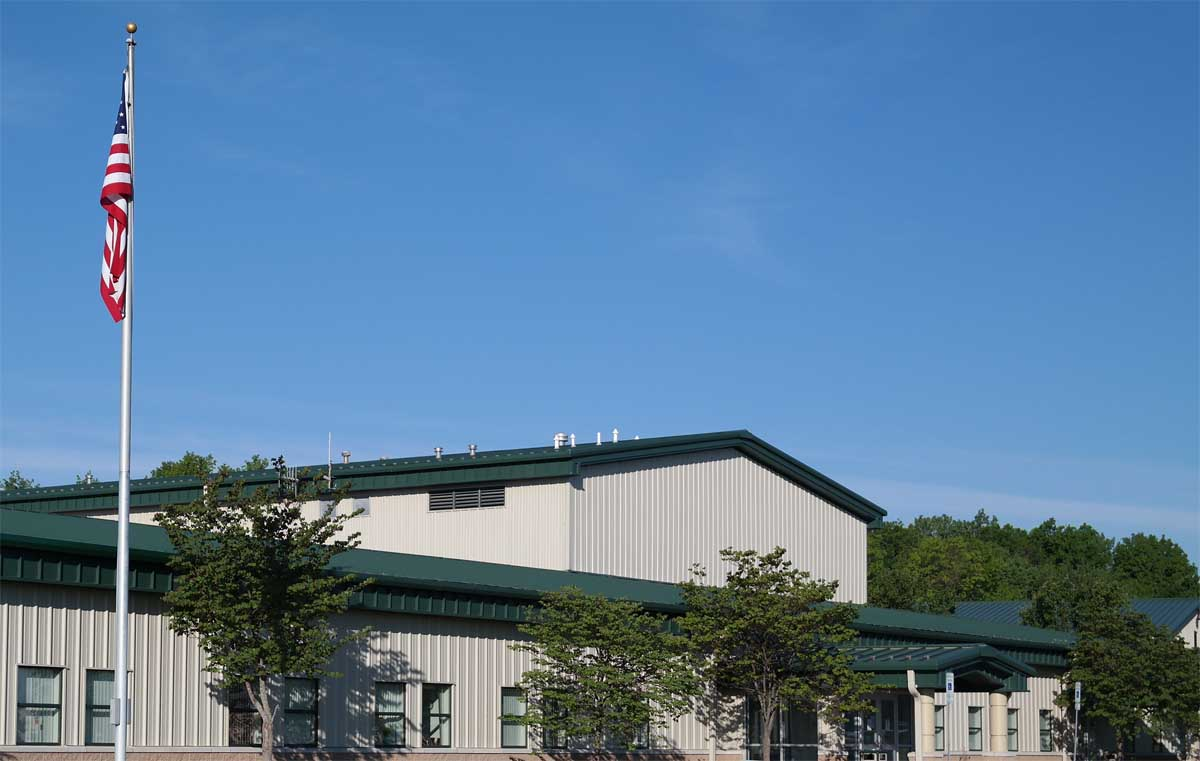
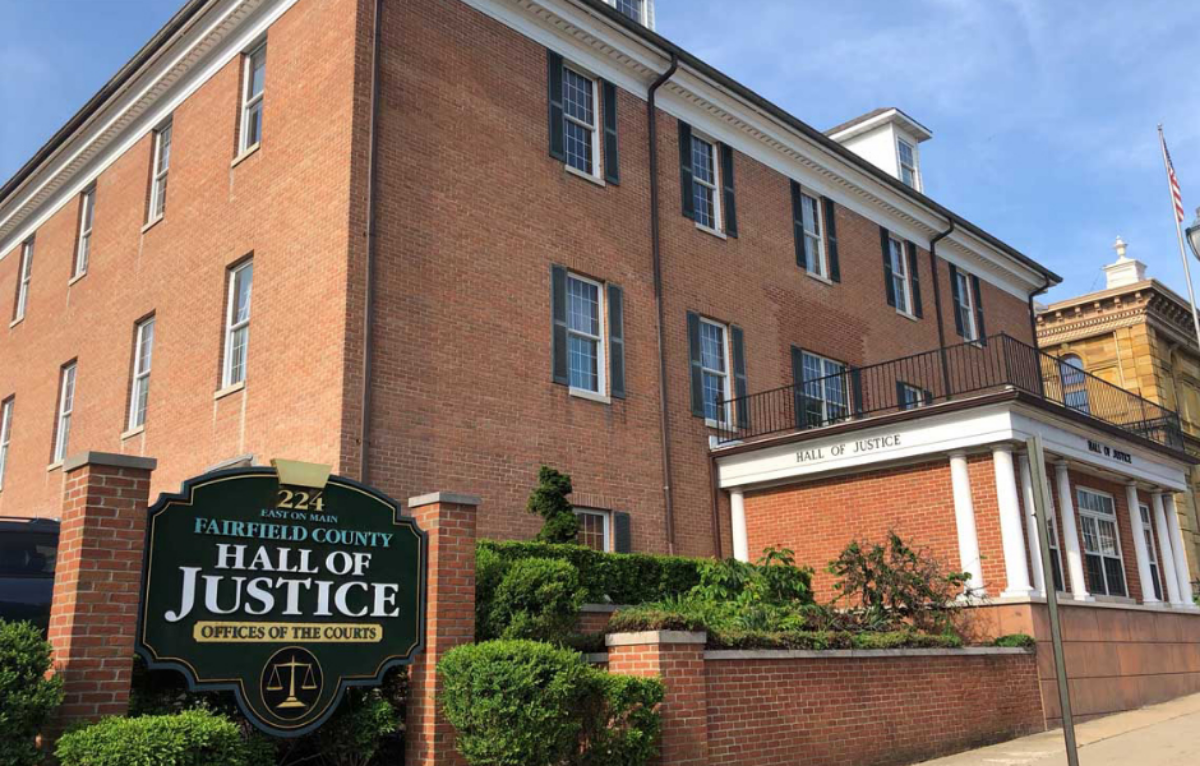
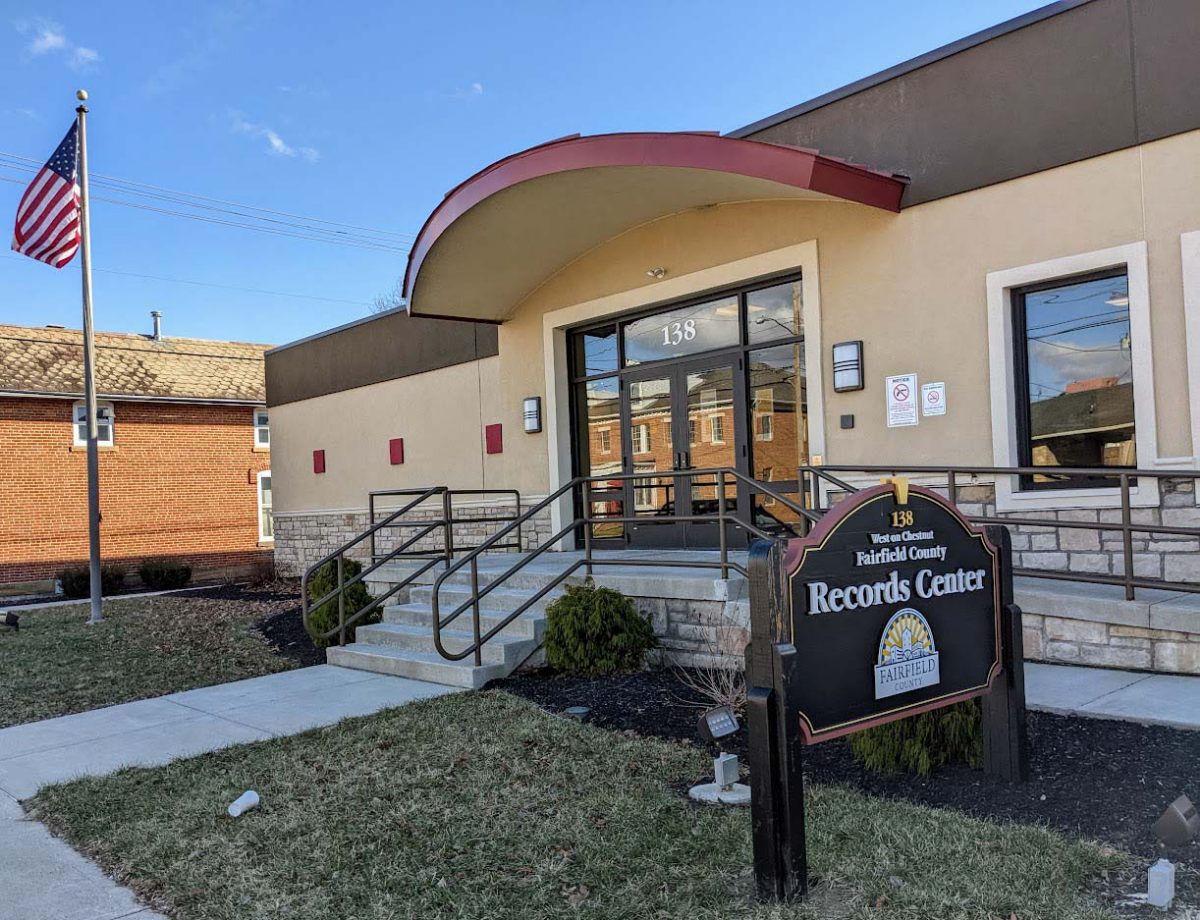
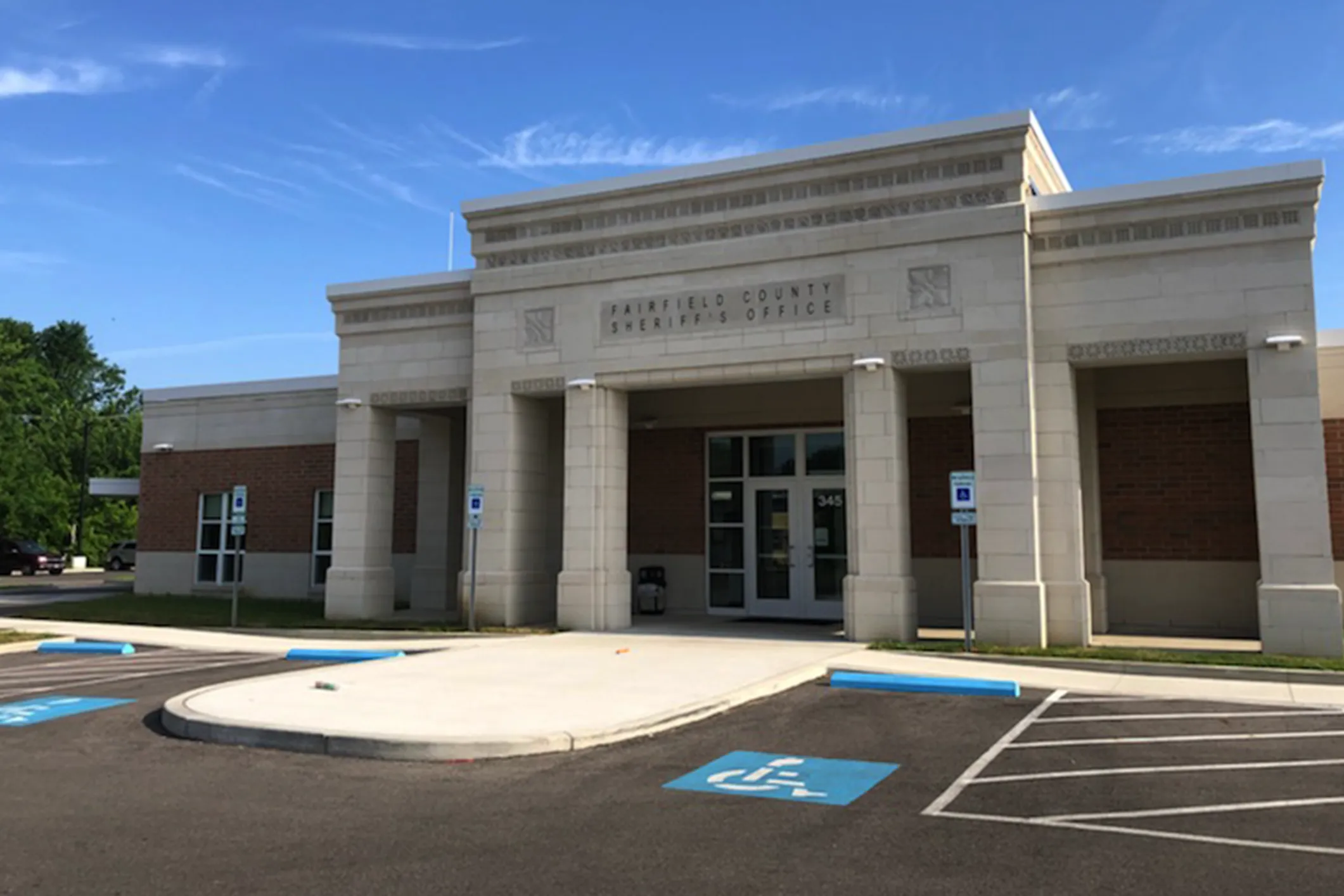


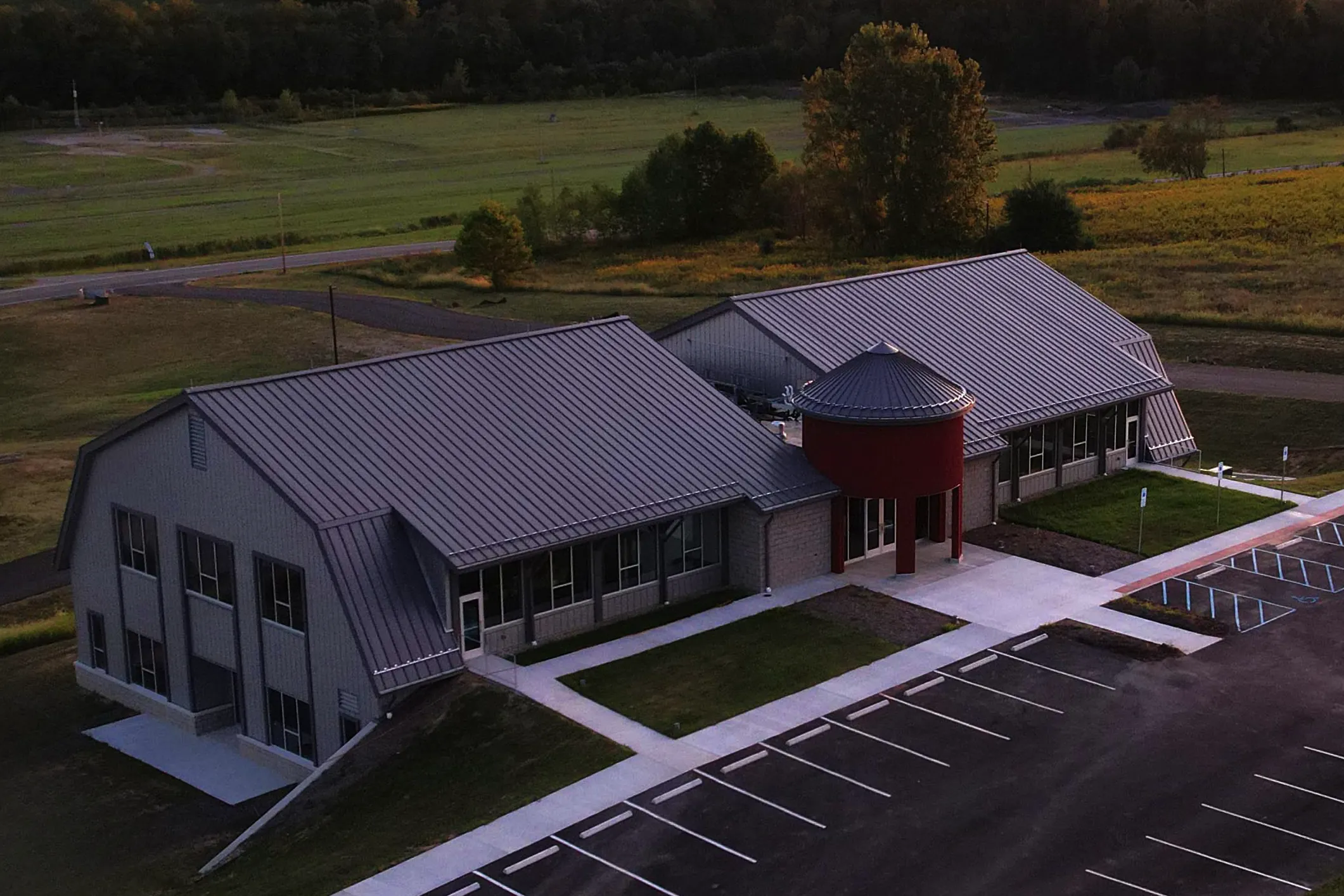
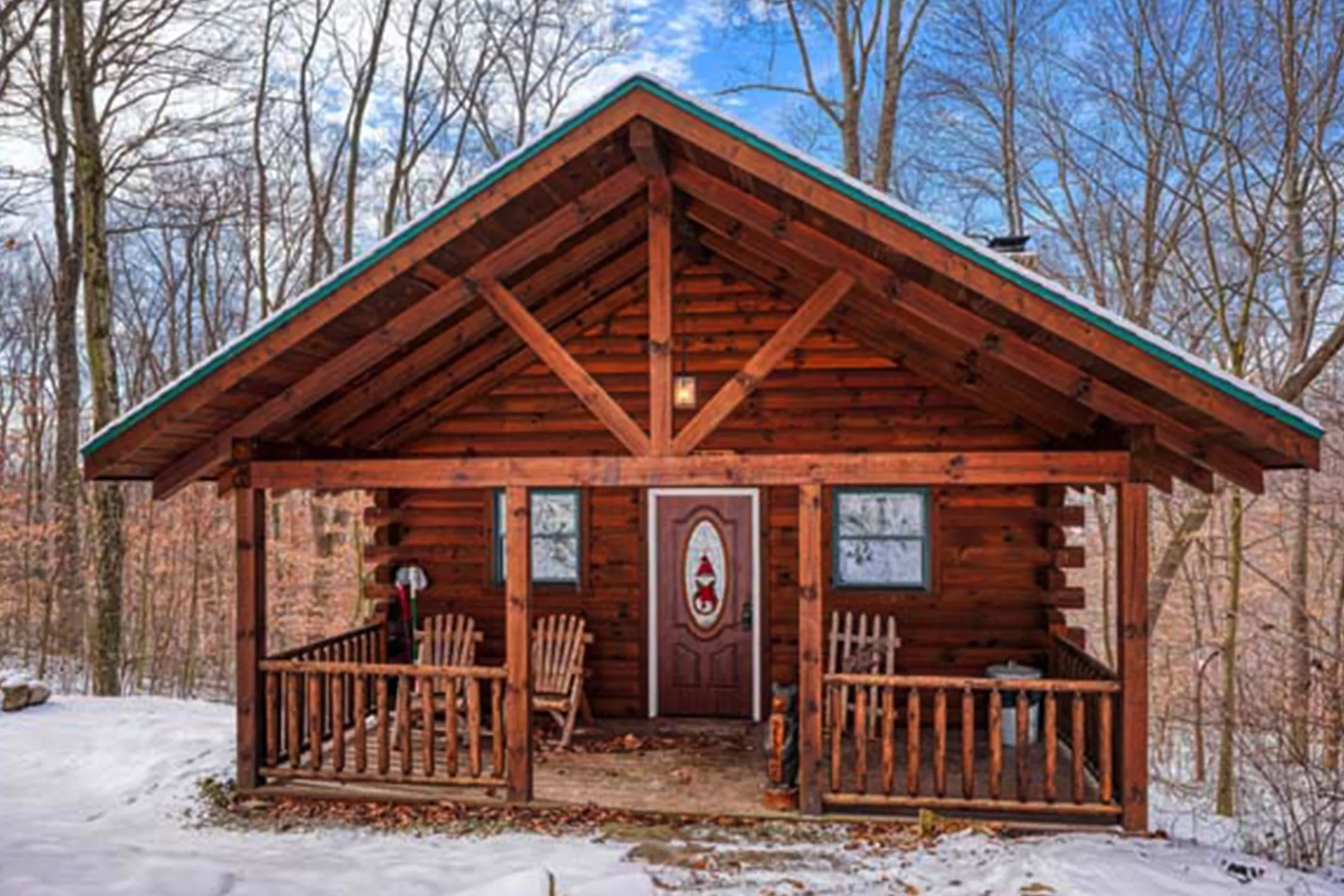
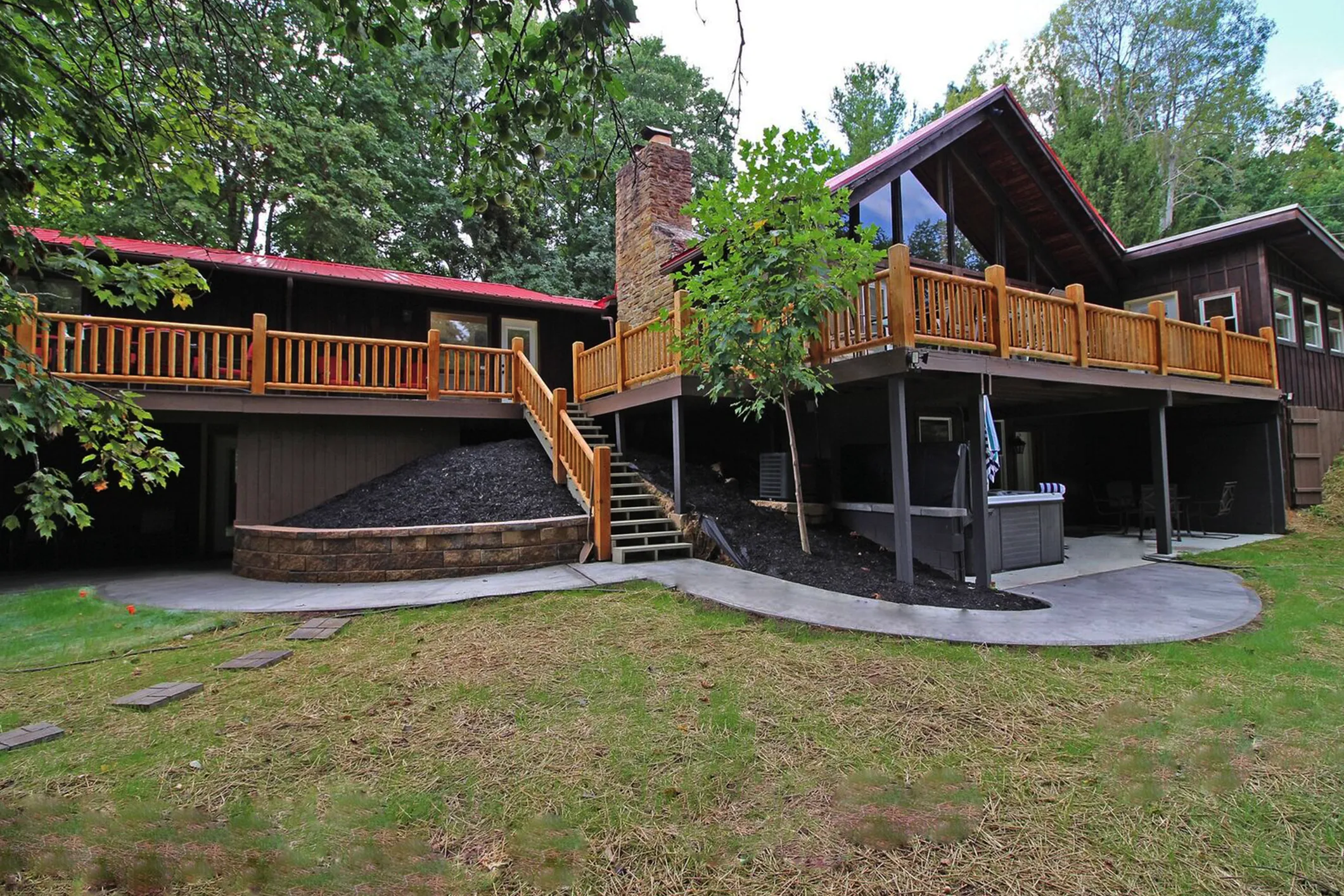
Checked by a legally blind user “Tyler”
Automated scanners catch about a third of what matters. Tyler, a legally blind screen reader user, works through the build the way a resident would. That is the difference between passing a scan and being usable.
- WCAG 2.1 AA and Section 508 remediation
- Readable agendas, minutes and public notices
- Records retention and social media archiving
- Updates turned around within 24 hours
Accessibility servicesIf you delay this law to 2027, it's one more year for people like me to have to struggle navigating websites that are impossible to use.
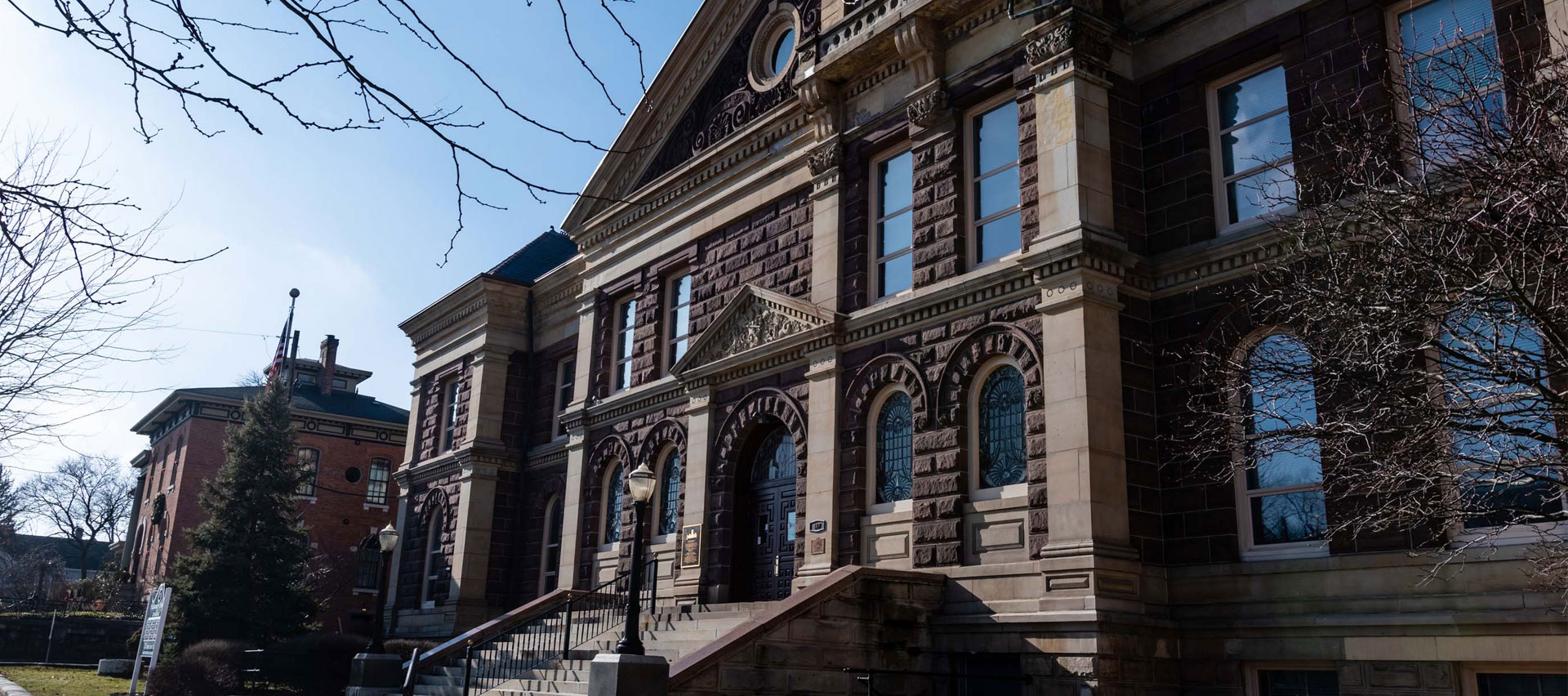
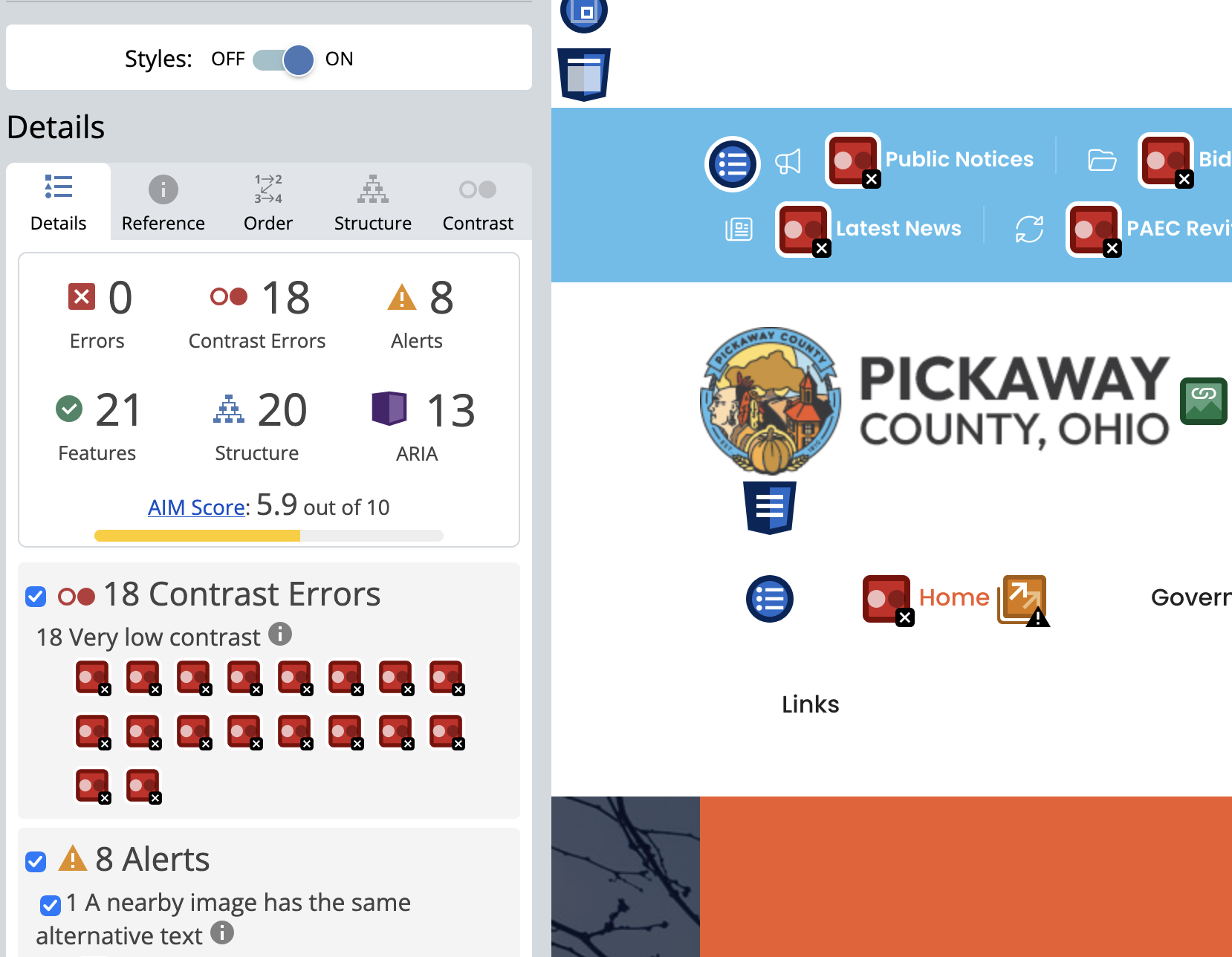
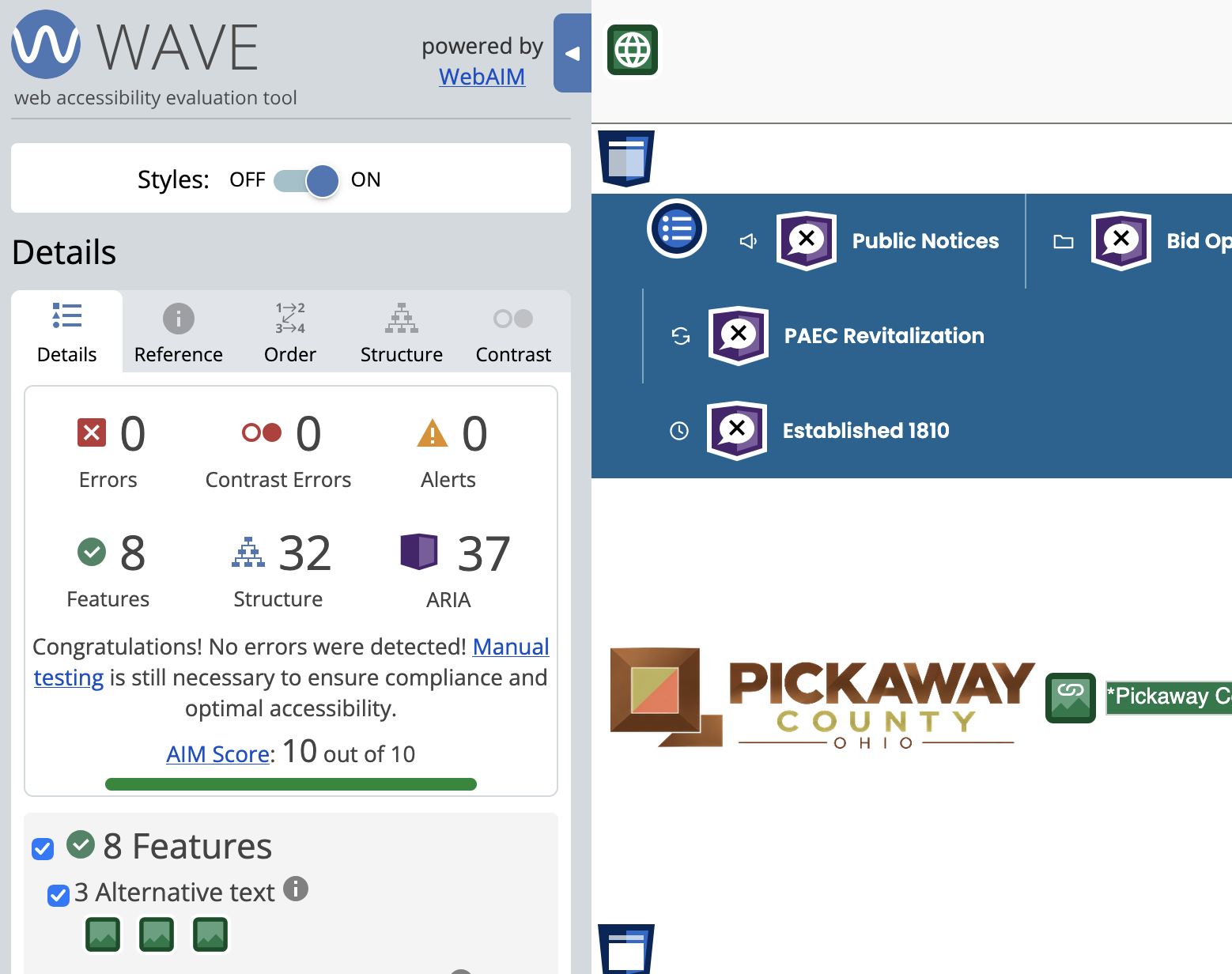
Pickaway County, before and after.
The old county homepage failed WebAIM’s WAVE accessibility test with 18 contrast errors. The new site Web Chick built for PickawayCountyOhio.gov passes with zero.
What true Web Chick clients say.
★★★★★Crissy is best!
★★★★★Crissy and her team provide excellent services, quick response times, and are great at helping websites be ADA compliant. We couldn’t recommend Web Chick more.
★★★★★The Lancaster Athletic Department highly recommends Webchick for all of your website creation and maintenance needs. She is very attentive and professional. The best!!
★★★★★Outstanding service!!! Highly recommend!
Verified Google reviews · read all 121 on Google

Crissy answers the phone.
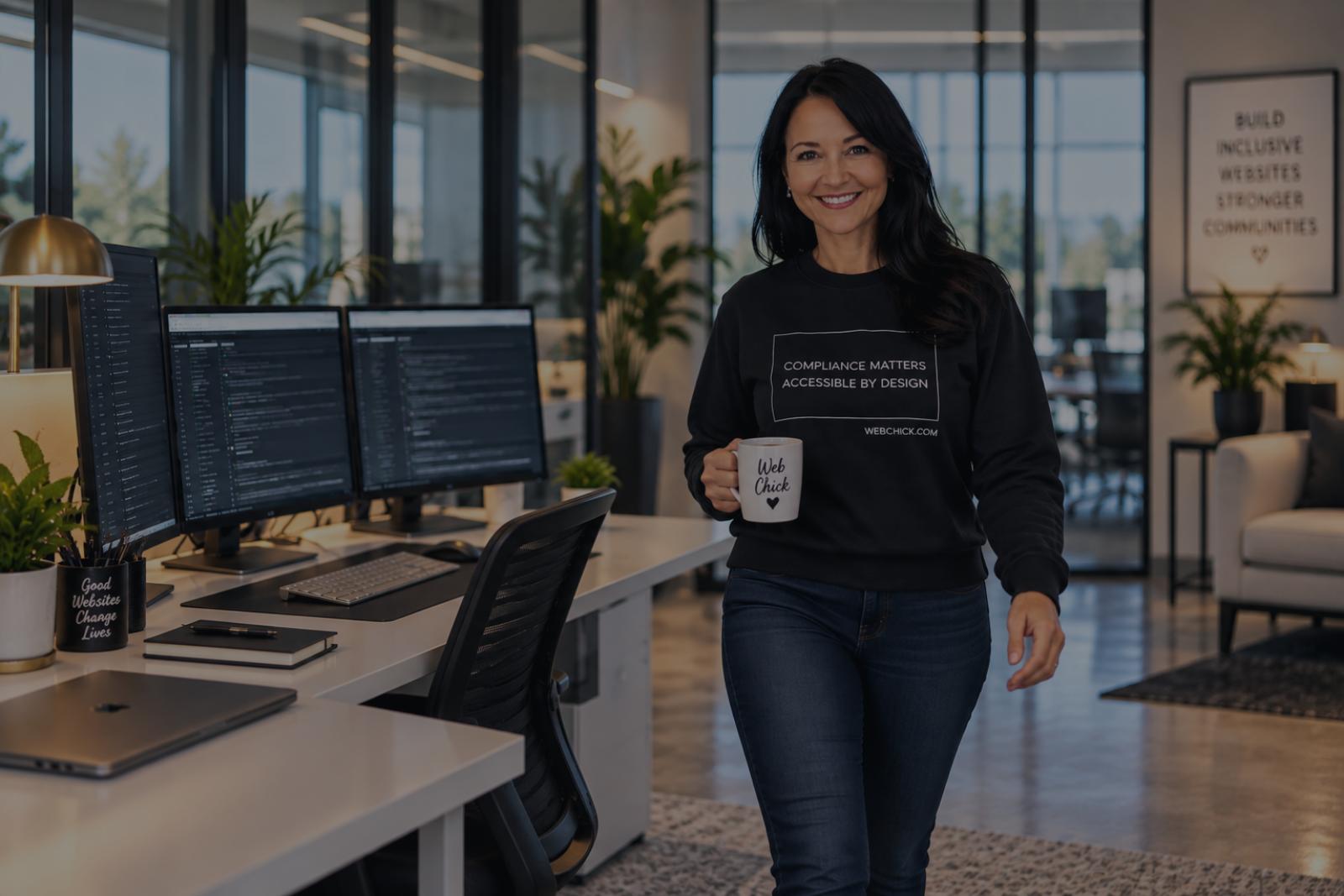
Real person. Real websites. Real code.
I build websites out of Lancaster, and I keep the hours my clients keep. Late nights with Buckeye Land Sales. Weekends with OSU Sports Fans, getting game-day ads and posts out. Friday at the end of the day, posting judges’ dockets and commissioners’ schedules. All day, every day.
No account manager, no ticket queue, no template. You get me, and you get the change the same day.
AI can be an amazing tool, but behind every Web Chick website is a real person designing, coding, updating, testing accessibility and answering clients.
Crissy, Web Chick
Daily Brew Live
Straight from our Bluesky, real updates, posted as they happen.

What agencies ask first.
What makes Web Chick different from other Ohio web design companies?
Every site is hand-coded and built to WCAG 2.1 AA and Section 508 from the first line, not retrofitted later. Accessibility is checked by Tyler, a legally blind screen reader user, rather than by a scanner alone. Routine updates go live within 24 hours, and you work directly with Crissy, not an account manager.
How do you make a site meet ADA and WCAG compliance standards?
Accessibility is built into the code: semantic structure for screen readers, keyboard navigation throughout, colour contrast that meets 4.5:1 for body text, descriptive alt text, and visible focus states. Inaccessible PDFs and fillable forms are rebuilt as clean HTML so they pass too.
When does my agency have to comply with the DOJ ADA Title II rule?
Public entities serving populations of 50,000 or more have until April 2027. Smaller entities and special districts have until April 2028. The April 2026 interim final rule moved the dates but not the obligation, and remediation takes longer than the calendar suggests.
Do you work with agencies outside Central Ohio?
Yes. Web Chick has been remote since 1995 and has clients coast to coast. The heaviest concentration is Central Ohio, including Lancaster, Fairfield County, Columbus, Newark, Circleville and Chillicothe.
How fast can updates be made?
Most routine content updates, including agendas, minutes and public notices, are live within 24 hours. Urgent postings are usually same day.
Can you fix our existing site instead of rebuilding it?
Often, yes. A free audit shows what your current site and documents fail on, prioritized by risk. Some agencies need remediation only. Others find a rebuild costs less than repeated patching. The audit tells you which you are.
Find out where your site actually stands.
A free WCAG 2.1 AA and Section 508 audit of your current site and documents. No pitch. A real report with the actual issues, prioritized, and the deadline that applies to you.